
Work identified by discipline
Blockwork, screed, waterproofing, MEP first fix: the models classify what is visibly in place, zone by zone and date by date.
How it works: understand
Vision models read every captured surface, classify what has been built, and reconcile the result against the programme, so percent-complete is a measurement, not an opinion.
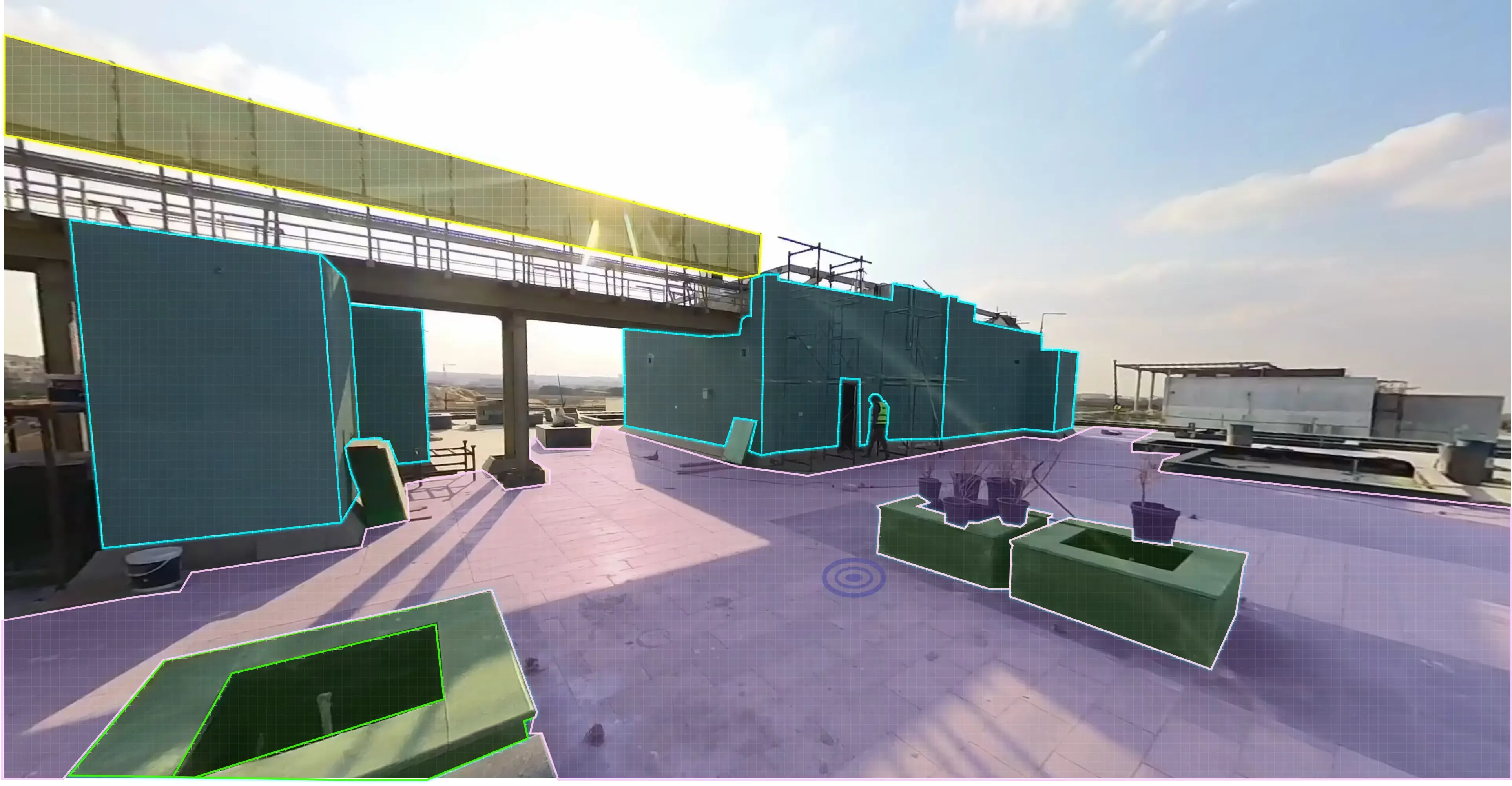
Blockwork, screed, waterproofing, MEP first fix: the models classify what is visibly in place, zone by zone and date by date.
Measured areas of completed work per zone, derived from the captured record rather than from a claimed figure in a spreadsheet.
Measured progress lands against the planned programme, so slippage shows up as a location and a trade instead of a single number in a monthly report.
Every percentage traces back to dated, located imagery. Click the number and see the frames it was measured from.
The standard
A progress figure only counts if it survives the room where a payment application is being challenged. That takes the figure, the date, the location and the imagery all agreeing with each other.
That is why Oblix measures from the same record everyone can open. When the consultant, the contractor and the owner are looking at the same frames, the argument gets shorter.
Questions
No. It gives them a measured, checkable baseline, so their time goes to judgement (the exceptions, the disputes, the certification) instead of to compiling evidence.
Every output links to its source imagery, so a wrong classification is visible and correctable rather than buried in a total.
The visible ones: structure, envelope, partitions, finishes and exposed MEP. Concealed work is covered by the capture record itself, photographed before it disappears.
A 20-minute walkthrough of Oblix on a real project. No slides, no obligation.